தமிழ்நாடு உயர் திறன் மேம்பாட்டு மையம் – தளவாடங்கள்

TN APEX SKILL DEVELOPMENT CENTRE FOR LOGISTICS

Digital Marketing Associate

Categories: ECommerce & Marketing
Wishlist Share

About Course

COURSE OBJECTIVES

  • To provide students with a strong conceptual foundation in the principles, scope, and evolution of digital marketing.
  • To enable students to understand various digital platforms and analyze online consumer behavior in the context of marketing decision-making.
  • To develop practical skills required for planning, implementing, and managing basic digital marketing campaigns across multiple digital channels.
  • To familiarize students with commonly used digital marketing tools and technologies for content creation, campaign management, and customer engagement.
  • To introduce students to digital marketing analytics and performance measurement techniques for evaluating and optimizing marketing outcomes.
  • To create awareness among students about emerging trends, ethical practices, and career opportunities in the digital marketing industry.
Show More

What Will You Learn?

  • Understand core digital marketing concepts, channels, and industry terminology
  • Plan and execute basic digital marketing campaigns across social media, search, and email platforms
  • Create and optimize content for websites, social media, and digital advertisements
  • Use SEO and SEM fundamentals to improve online visibility and traffic
  • Analyze digital marketing performance using tools like Google Analytics and interpret key metrics
  • Apply ethical practices, data privacy norms, and professional communication in digital marketing tasks

Course Content

UNIT I – INTRODUCTION TO DIGITAL MARKETING
This unit introduces learners to the foundations of digital marketing and its growing importance in today’s internet-driven economy. It explains how marketing has evolved from traditional methods to digital platforms, the role of digital channels, and how consumers behave online. Learners will understand digital marketing strategy, customer journeys, ethical considerations, and data privacy regulations. The unit also highlights the responsibilities of a Digital Marketing Associate and provides practical insights into planning, targeting, budgeting, and managing digital touchpoints effectively to drive awareness, engagement, conversions, and long-term customer relationships.

  • 1.1 Evolution of Marketing
  • 1.2 Digital Consumer Behaviour
  • 1.3 Digital Marketing Strategy & Planning
  • 1.4 Customer Journey & Touchpoints
  • 1.5 Ethical & Privacy Issues
  • Practice Quiz

UNIT II: SEARCH ENGINE; WEBSITE MARKETING
This Unit provides a comprehensive understanding of search engine and website marketing by explaining how search engines function and how businesses can gain visibility through both organic (SEO) and paid (SEM) strategies. It covers keyword research, search intent analysis, and the differences between organic and paid search results. The unit explores on page, off-page, and technical SEO practices, including website structure, content optimization, user experience, link-building, local SEO, and mobile optimization. Learners are introduced to the Google Ads ecosystem, campaign creation, bidding strategies, quality score, ad ranking, and landing page optimization. It also emphasizes performance measurement using tools like Google Search Console and Google Analytics, focusing on key metrics such as ROI, CTR, CPC, and conversions, while highlighting the importance of local and mobile-first search strategies in today’s digital environment.

UNIT III: SOCIAL MEDIA; CONTENT MARKETING
This unit focuses on Social Media and Content Marketing as essential components of digital marketing strategy. It introduces the role of social media platforms such as Instagram, Facebook, LinkedIn, X, and YouTube, explaining platform-specific audience behavior, algorithm fundamentals, and organic reach. The unit covers content marketing principles including various content formats (blogs, videos, reels, podcasts, infographics), storytelling, brand voice development, content calendar planning, and the use of AI tools for content creation. It further explores social media strategy development, audience engagement techniques, influencer marketing concepts and collaborations, and paid social media advertising through Meta platforms. Finally, the unit emphasizes performance measurement using social media analytics, engagement and reach metrics, social listening, sentiment analysis, and optimization techniques to improve campaign effectiveness and brand growth.

UNIT IV: EMAIL MARKETING, CRM; CONVERSION OPTIMIZATION
This unit focuses on how businesses convert prospects into customers and build long-term relationships using automation and data-driven strategies. It begins with Email Marketing Fundamentals, covering campaign types, lifecycle management, list building, segmentation, persuasive copywriting, and compliance to ensure high deliverability and ROI. It then explores Marketing Automation and CRM, explaining how automation tools and CRM systems help manage customer data, nurture leads through drip campaigns, personalize communication using behavioral targeting, and streamline workflows for efficient relationship management. The unit also introduces Affiliate & Partnership Marketing, discussing affiliate models, network management, tracking mechanisms, commission structures, and ethical considerations. Finally, it covers Conversion Rate Optimization (CRO), including funnel analysis, UX principles, effective call-to-action strategies, A/B and multivariate testing, and landing page optimization to maximize conversions and improve overall digital marketing performance.

Unit V: WEB ANALYTICS, PERFORMANCE MARKETING; EMERGING TRENDS
This unit focuses on measuring, optimizing, and future-proofing digital marketing efforts. It introduces web and marketing analytics using tools like Google Analytics 4 to understand user behavior, track events, build dashboards, and enable data-driven decision-making. The unit then explores performance marketing concepts such as PPC campaigns, programmatic advertising, retargeting, budget optimization, and ROI analysis to maximize campaign effectiveness. It further covers digital strategies for e-commerce and mobile platforms, emphasizing app-based marketing, mobile-first approaches, and omnichannel integration. Finally, the unit highlights emerging trends including AI, chatbots, voice search, and AR/VR marketing, while preparing learners for career readiness through certifications, industry case studies, and a capstone project to apply practical knowledge.

Final Assessment
Answer all the Multiple Choice Questions

Earn a certificate

Add this certificate to your resume to demonstrate your skills & increase your chances of getting noticed.
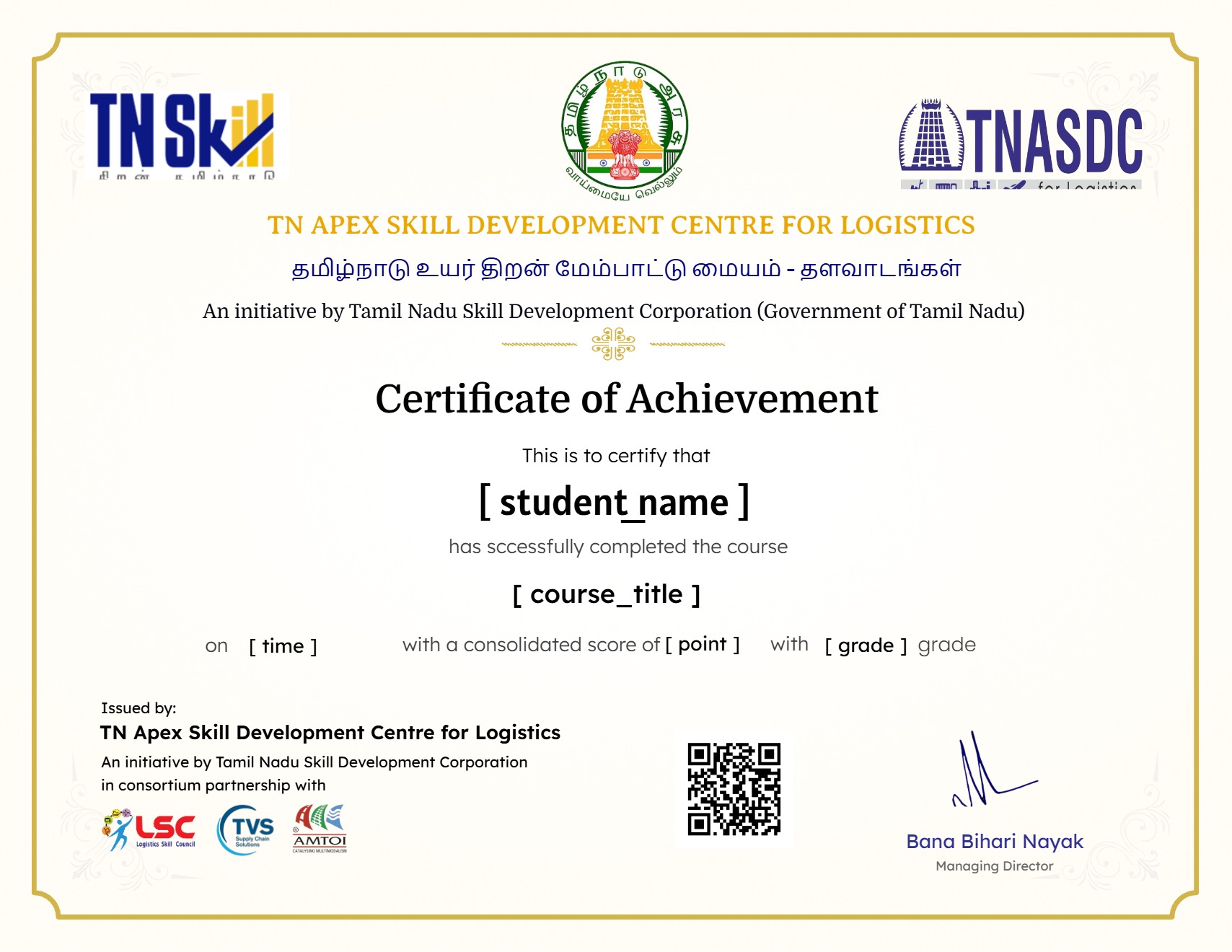
selected template

Student Ratings & Reviews

No Review Yet
No Review Yet

Want to receive push notifications for all major on-site activities?